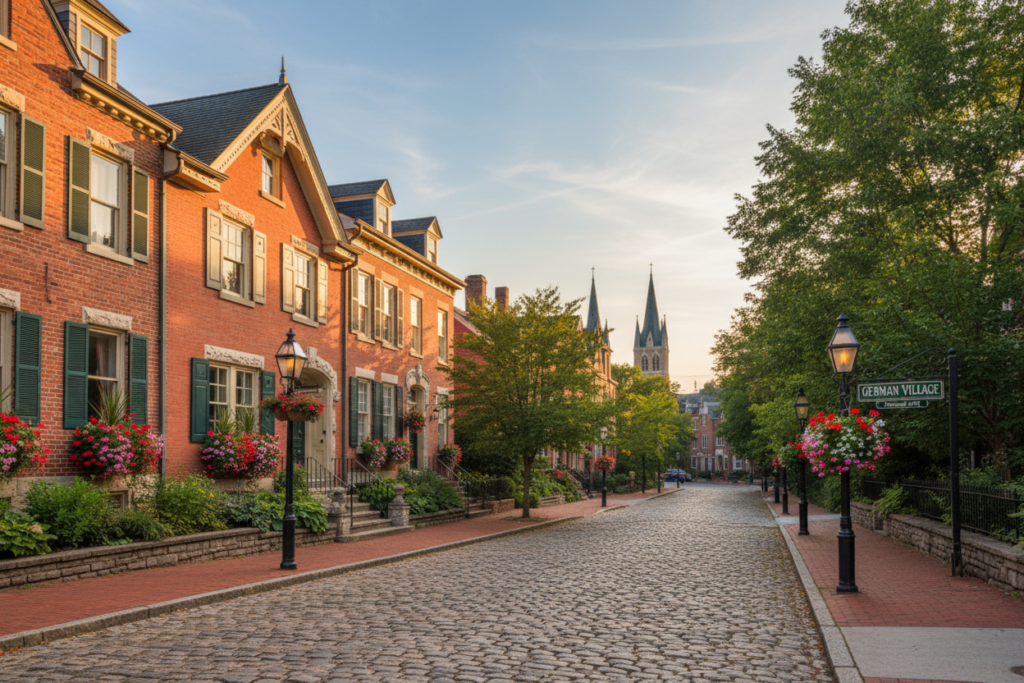
Nestled just south of downtown Columbus, Ohio, lies a charming neighborhood that transports visitors straight to 19th-century Germany without ever leaving the Midwest. German Village stands as one of the most well-preserved historic districts in the United States, offering an authentic European experience complete with cobblestone streets, brick cottages, and an atmosphere that feels worlds away from typical American suburbia. This remarkable community has managed to maintain its Old World charm while evolving into one of Columbus’s most sought-after destinations for dining, shopping, and cultural experiences.
What makes German Village truly special isn’t just its picturesque architecture or its fascinating history – it’s the way this neighborhood seamlessly blends authentic German heritage with modern American living. Whether you’re a history enthusiast, a foodie seeking authentic German cuisine, or simply someone looking for a unique weekend getaway, German Village Columbus offers an unforgettable experience that captures the heart and imagination of every visitor.
The Rich History Behind German Village Columbus
The story of German Village begins in the mid-1800s when waves of German immigrants settled in this area of Columbus, seeking new opportunities in America while maintaining their cultural identity. These hardworking families brought with them not only their traditions and language but also their distinctive architectural styles and community values that would shape the neighborhood for generations to come.
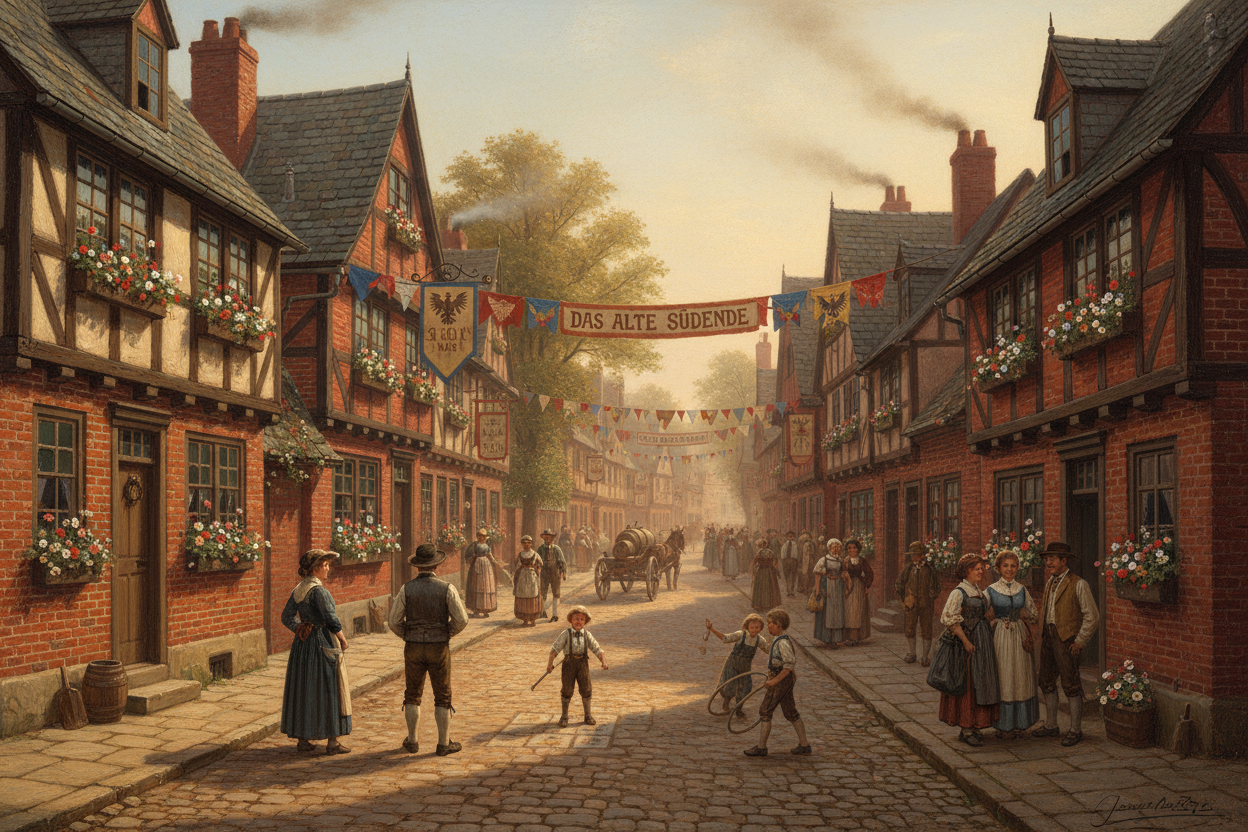
By the 1860s, the area had become known as “Das Alte Südende” (The Old South End), and it truly felt like a slice of Germany transplanted to Ohio. German was commonly spoken on the streets, traditional festivals filled the calendar, and the aroma of authentic German cooking wafted from nearly every household. The immigrants built their homes using traditional German construction techniques, creating the distinctive brick cottages and buildings that still define the neighborhood’s character today.
However, the neighborhood faced significant challenges during World War I when anti-German sentiment swept across America. Many residents anglicized their names, stopped speaking German publicly, and the area began to decline. By the 1950s, much of the historic architecture was threatened with demolition as urban renewal projects targeted older neighborhoods throughout American cities.
Fortunately, a group of dedicated preservationists recognized the unique value of this historic community. In 1960, German Village became one of the first neighborhoods in Ohio to be listed on the National Register of Historic Places, and the German Village Society was formed to protect and restore the area’s architectural treasures. Today, thanks to these preservation efforts, visitors can experience an authentic piece of German-American history that might otherwise have been lost forever.
Architectural Treasures and Historic Landmarks
Walking through German Village Columbus feels like stepping into a European fairy tale, thanks to its remarkable collection of 19th-century architecture. The neighborhood boasts over 1,600 buildings that contribute to its historic character, with most dating from the 1840s through the 1910s. These structures represent some of the finest examples of German-American architecture in the United States.
The most distinctive features of German Village architecture include the charming brick cottages with their steep-pitched roofs, decorative shutters, and small front gardens. Many homes feature the traditional German “shotgun” style layout, designed to maximize space on narrow urban lots. The craftsmanship evident in these buildings – from hand-laid brick work to intricate woodwork details – showcases the skill and pride of the German craftsmen who built them.
One of the neighborhood’s most photographed landmarks is the Golden Hobby Shop, housed in a building that perfectly exemplifies German Village’s architectural charm. The Thurber House, former home of famous American humorist James Thurber, offers visitors a glimpse into both literary history and the domestic life of early German Village residents.
The neighborhood’s streets themselves are works of art, with many still featuring original brick paving that creates a distinctive Old World atmosphere. Tree-lined sidewalks, vintage lampposts, and carefully maintained gardens add to the European ambiance that makes German Village Columbus such a popular destination for photographers, artists, and anyone seeking a break from modern urban landscapes.
Culinary Delights: Authentic German Cuisine and Modern Favorites
No visit to German Village Columbus would be complete without experiencing its incredible culinary scene, which perfectly balances authentic German traditions with contemporary American dining trends. The neighborhood has become a true foodie destination, offering everything from traditional bratwurst and sauerkraut to innovative fusion cuisine that reflects the area’s evolving cultural identity.
Schmidt’s Restaurant and Sausage Haus stands as the crown jewel of German Village dining, serving authentic German cuisine since 1886. This family-owned establishment has become synonymous with German Village itself, famous for its massive cream puffs, traditional German sausages, and hearty comfort food that would make any German grandmother proud. The restaurant’s Oktoberfest celebration draws thousands of visitors annually, creating an authentic German festival atmosphere right in the heart of Ohio.
Beyond traditional German fare, German Village has embraced culinary diversity while maintaining its European charm. Visitors can find excellent Italian cuisine at Barcelona Restaurant, enjoy craft cocktails at local bars, or sample artisanal coffee at cozy neighborhood cafes. The area’s restaurants often feature outdoor seating that allows diners to soak in the historic atmosphere while enjoying their meals.
The neighborhood also hosts several food-related events throughout the year, including wine tastings, beer festivals, and seasonal celebrations that showcase both German traditions and contemporary culinary trends. These events provide perfect opportunities for visitors to experience the community spirit that makes German Village Columbus such a special place.
Shopping and Entertainment in German Village
Shopping in German Village Columbus offers a refreshingly authentic alternative to typical mall experiences, with unique boutiques, antique shops, and specialty stores housed in historic buildings that add character to every purchase. The neighborhood’s retail scene perfectly complements its historic atmosphere, featuring locally-owned businesses that reflect both German heritage and contemporary American culture.
Book lovers will find paradise at The Book Loft of German Village, a legendary independent bookstore housed in a pre-Civil War building featuring 32 rooms of books spread across multiple floors. This maze-like wonderland contains over 100,000 titles and has become a destination in itself, drawing bibliophiles from across the country who come to explore its countless nooks and crannies filled with literary treasures.
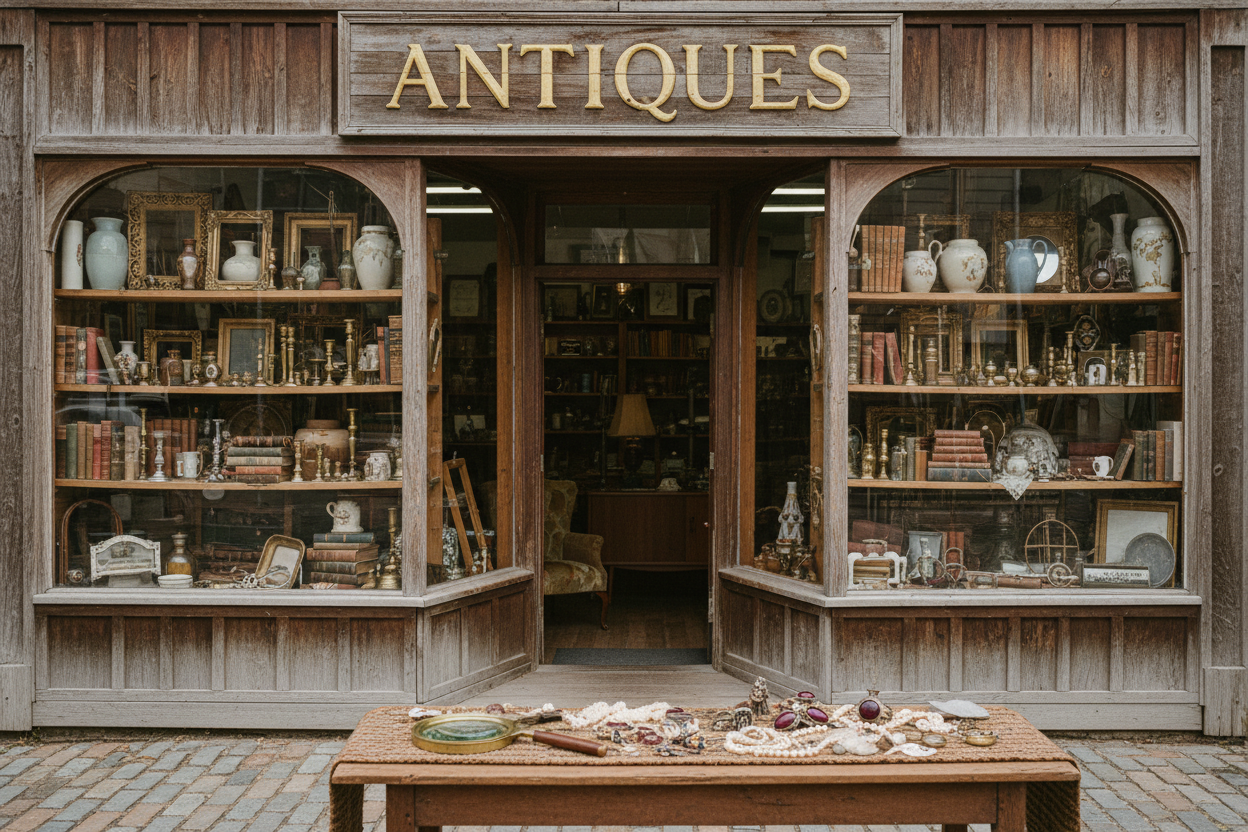
Antique enthusiasts can spend hours browsing through shops that specialize in European furniture, vintage German collectibles, and unique home decor items that capture the neighborhood’s historic spirit. Many stores feature items that reflect German Village’s heritage, including traditional German pottery, vintage photographs of the neighborhood, and handcrafted items made by local artisans.
The entertainment scene in German Village extends beyond shopping and dining to include art galleries, live music venues, and cultural events that bring the community together throughout the year. The neighborhood regularly hosts art walks, outdoor concerts, and seasonal festivals that showcase local talent while maintaining the area’s distinctive European atmosphere.
Seasonal Events and Festivals
German Village Columbus truly comes alive during its many seasonal celebrations, which blend authentic German traditions with American holiday customs to create unique experiences that attract visitors from throughout the Midwest. These events showcase the neighborhood’s strong sense of community while honoring its rich cultural heritage.
The annual Oktoberfest celebration represents the pinnacle of German Village’s festival calendar, transforming the historic streets into an authentic German beer garden complete with traditional music, dancing, and of course, plenty of German beer and food. This multi-day event features live polka bands, traditional German folk dancing, and activities for all ages that create a genuine Bavarian atmosphere in the heart of Ohio.
During the holiday season, German Village becomes a winter wonderland with its Christkindl Market, inspired by traditional German Christmas markets. Visitors can browse handcrafted gifts, enjoy warm mulled wine, and experience the magic of a European-style Christmas celebration. The neighborhood’s historic architecture provides the perfect backdrop for holiday decorations that transform German Village into a scene straight from a Christmas card.
Summer brings outdoor concerts, art festivals, and garden tours that highlight the neighborhood’s beautiful green spaces and architectural details. These warm-weather events allow visitors to fully appreciate German Village’s walkable streets and outdoor dining opportunities while enjoying live entertainment and community activities.
Planning Your Visit to German Village Columbus
Visiting German Village Columbus requires minimal planning but offers maximum rewards for those who take the time to fully explore this historic neighborhood. The area is easily accessible from downtown Columbus and offers multiple transportation options, making it convenient for both local residents and out-of-town visitors.
The best way to experience German Village is on foot, as the neighborhood was designed for pedestrian exploration long before the automobile age. Comfortable walking shoes are essential, as you’ll want to wander the brick streets, peek into courtyards, and discover hidden architectural details that make each block unique. Many visitors find that spending a full day in German Village allows them to truly appreciate its charm without feeling rushed.
Parking is available throughout the neighborhood, though spaces can be limited during popular events and peak dining times. Many visitors choose to park once and explore the entire area on foot, which also allows for a more authentic experience of the neighborhood’s European atmosphere.
For those interested in learning more about the area’s history and architecture, guided tours are available through the German Village Society. These knowledgeable guides provide insights into the neighborhood’s past while pointing out architectural details and historical significance that casual visitors might otherwise miss.
Conclusion: Why German Village Columbus Should Be Your Next Destination
German Village Columbus represents something increasingly rare in modern America – an authentic historic neighborhood that has successfully preserved its unique character while adapting to contemporary needs and interests. This remarkable community offers visitors a genuine escape from the ordinary, providing experiences that engage all the senses and create lasting memories.
Whether you’re drawn by the prospect of exploring 19th-century architecture, sampling authentic German cuisine, browsing through unique shops, or simply enjoying a leisurely stroll through tree-lined streets that feel worlds away from typical American suburbs, German Village delivers an experience that exceeds expectations. The neighborhood’s commitment to historic preservation, combined with its vibrant contemporary culture, creates a destination that appeals to visitors of all ages and interests.
In a world where authentic experiences are becoming increasingly difficult to find, German Village Columbus stands as a testament to the value of preserving our cultural heritage while embracing the future. This European escape in the heart of Ohio offers proof that you don’t need to cross an ocean to experience Old World charm – sometimes the most extraordinary destinations are hiding in plain sight, waiting to be discovered in your own backyard.