
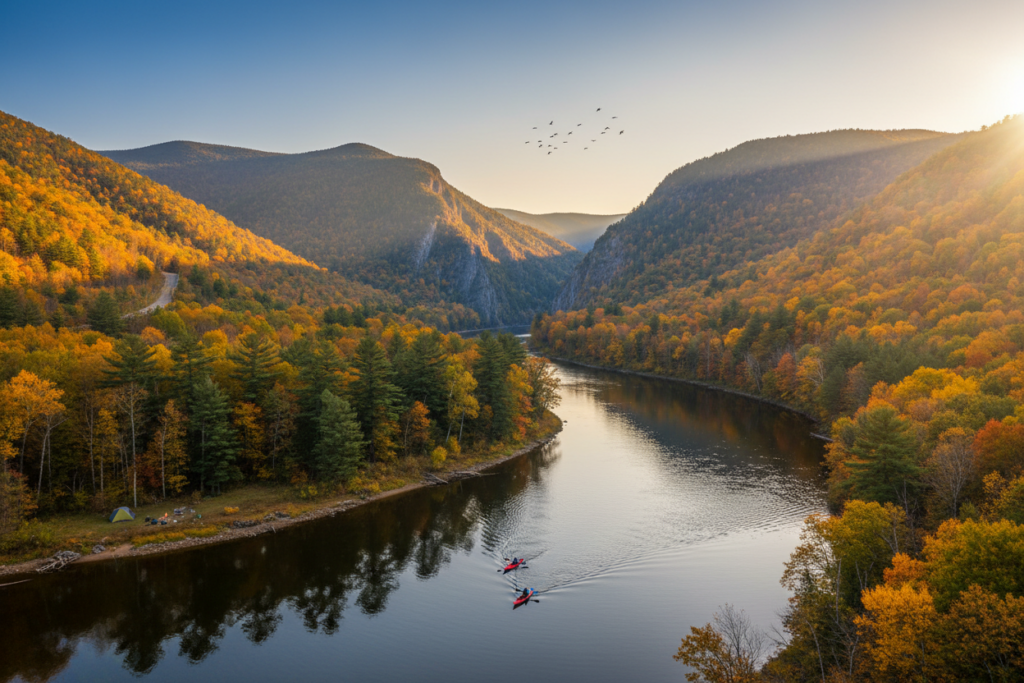
Nestled along the Pennsylvania-New Jersey border, the Delaware Water Gap stands as one of the most spectacular natural wonders in the Northeast. This breathtaking gorge, carved by the mighty Delaware River through millions of years of geological evolution, offers outdoor enthusiasts an unparalleled playground of adventure opportunities. Whether you’re seeking heart-pumping hiking trails, serene paddling experiences, or simply a peaceful escape into nature’s embrace, the Delaware Water Gap National Recreation Area delivers experiences that will leave you planning your next visit before you’ve even left.
Spanning over 70,000 acres across two states, this remarkable destination transforms the typical notion of New Jersey’s landscape. Gone are the stereotypical images of urban sprawl and industrial corridors – instead, you’ll discover pristine wilderness areas, cascading waterfalls, and panoramic vistas that rival any national park in the country. The Delaware Water Gap isn’t just a destination; it’s a testament to nature’s raw power and beauty, waiting to be explored by adventurers of all skill levels.
The Natural Wonder of Delaware Water Gap
The Delaware Water Gap’s most striking feature is the dramatic gorge itself, where the Delaware River cuts through the Appalachian Mountains, creating a natural gateway between Pennsylvania and New Jersey. This geological masterpiece stretches approximately four miles long and reaches depths of up to 1,200 feet, with steep-sided cliffs that tower majestically above the flowing river below.
The area’s rich geological history dates back over 400 million years, when ancient seas covered the region and deposited layers of sediment that would eventually become the bedrock we see today. The Kittatinny Ridge, which forms the backbone of the gap, consists primarily of hard quartzite that has resisted erosion far better than the surrounding softer rocks. This natural resistance created the dramatic landscape that draws millions of visitors annually.

What makes this destination truly special is its incredible biodiversity. The Delaware Water Gap serves as a crucial corridor for wildlife migration and houses over 200 bird species, 40 mammal species, and countless varieties of plant life. From black bears and white-tailed deer to bald eagles soaring overhead, the area provides sanctuary for wildlife while offering visitors unforgettable encounters with nature.
Top Hiking Adventures and Trail Systems
The Delaware Water Gap boasts an extensive network of hiking trails that cater to every experience level and interest. The crown jewel of the trail system is undoubtedly the Appalachian Trail, which passes directly through the gap and offers some of the most scenic stretches in the entire 2,190-mile footpath.
For those seeking challenging adventures, Mount Tammany provides one of the most rewarding hikes in the region. This moderately difficult 3.5-mile round trip trail climbs steadily through mixed hardwood forests before emerging onto spectacular overlooks that showcase the entire Delaware Water Gap from above. The red dot trail offers the most direct route to the summit, while the blue dot trail provides a more gradual ascent with equally stunning views.
On the Pennsylvania side, Mount Minsi offers a complementary perspective of the gap. The trail system here includes options for both day hikers and backpackers, with the Fire Tower Trail leading to panoramic 360-degree views from the restored fire tower at the summit. The rocky outcrops along this trail provide perfect spots for rest breaks while taking in the expansive vistas of the Pocono Mountains and Delaware River valley.
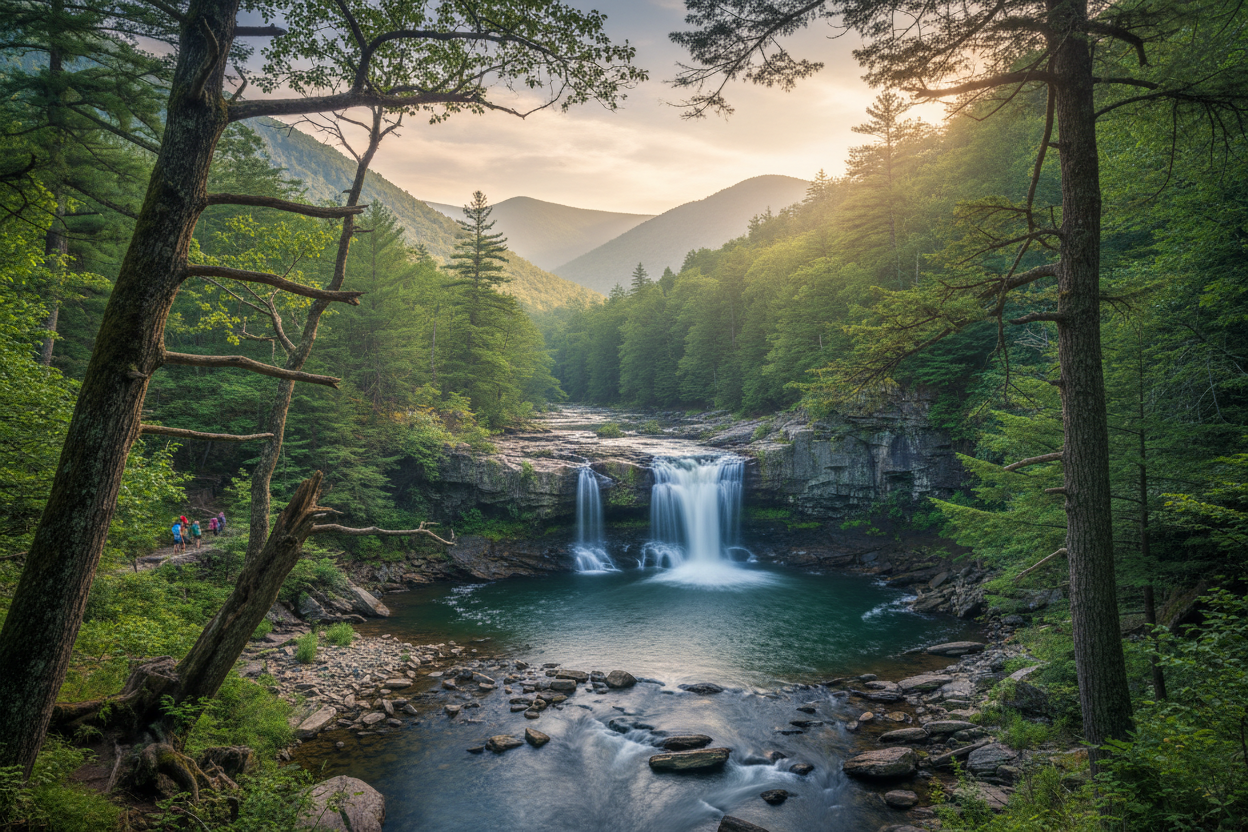
Families and casual hikers will find plenty of options as well. The Dingmans Falls Trail is a gentle 1.5-mile boardwalk and trail system that leads to Pennsylvania’s second-highest waterfall. The well-maintained path makes this natural wonder accessible to visitors of all ages and mobility levels, while interpretive signs along the route provide fascinating insights into the area’s ecology and history.
Water Activities and River Adventures
The Delaware River serves as the liquid highway through this natural wonderland, offering some of the finest freshwater recreation opportunities on the East Coast. The river’s relatively calm waters and scenic surroundings make it ideal for paddling adventures, from peaceful canoe trips to exciting whitewater rafting experiences.
Canoeing and kayaking along the Delaware provide intimate access to the gap’s most remote and beautiful sections. The river’s gentle current makes it perfect for beginners, while experienced paddlers can challenge themselves with longer expeditions or explore the numerous tributaries that feed into the main waterway. Popular launch points include Milford Beach and Smithfield Beach, both offering convenient access and parking facilities.
Fishing enthusiasts will discover world-class opportunities throughout the Delaware Water Gap region. The river supports healthy populations of smallmouth bass, trout, walleye, and American shad, depending on the season and location. The cool, clear waters provide excellent habitat for both warm and cold-water species, making year-round fishing possible for those willing to brave the elements.
Swimming and tubing offer refreshing ways to beat the summer heat while experiencing the river from a unique perspective. Several designated swimming areas provide safe access to the water, including Milford Beach and Smithfield Beach, which feature sandy shores and lifeguard supervision during peak season.
Wildlife Watching and Photography Opportunities
The Delaware Water Gap’s diverse ecosystems create exceptional opportunities for wildlife observation and photography. The area’s position along the Atlantic Flyway makes it a critical stopover point for migrating birds, with peak viewing times occurring during spring and fall migrations.
Birdwatchers can expect to spot everything from common songbirds to rare raptors throughout the year. The restored bald eagle population has become one of the area’s greatest conservation success stories, with multiple nesting pairs now calling the region home. Patient observers might catch glimpses of these magnificent birds fishing along the river or soaring high above the ridgelines.
Black bears represent the area’s most impressive mammalian residents, though sightings require patience and luck. Early morning and evening hours offer the best chances for bear encounters, particularly in areas with abundant berry patches or near water sources. Remember to maintain safe distances and follow all park guidelines when wildlife viewing.
Photography enthusiasts will find endless subjects throughout the seasons. Spring brings wildflower blooms and migrating warblers, summer offers lush green landscapes and active wildlife, fall transforms the forests into brilliant displays of color, and winter creates stark, beautiful compositions of snow-covered ridges and ice-lined streams.
Seasonal Activities and Best Times to Visit
Each season at Delaware Water Gap offers distinct advantages and unique experiences for outdoor enthusiasts. Spring awakens the landscape with vibrant wildflower displays, including trillium, bloodroot, and wild azalea. The moderate temperatures and reduced crowds make this an ideal time for hiking and wildlife observation, though visitors should be prepared for occasional muddy trail conditions as winter snow melts.
Summer brings peak activity levels and the warmest weather, making it perfect for water-based activities and camping. However, this popularity also means larger crowds and higher temperatures that can make midday hiking challenging. Early morning and evening adventures often provide the most comfortable conditions and best wildlife viewing opportunities.
Fall transforms the Delaware Water Gap into a spectacular canvas of autumn colors, with peak foliage typically occurring in early to mid-October. This season offers some of the year’s most dramatic photography opportunities and comfortable hiking conditions, though popular viewpoints can become crowded during peak color weekends.
Winter visitors discover a completely different landscape, with snow-covered trails offering opportunities for cross-country skiing and snowshoeing. The bare trees provide clearer views of the gap’s geological features, while ice formations along streams and waterfalls create stunning natural sculptures. However, winter visitors must be prepared for challenging conditions and should carry appropriate safety equipment.
Planning Your Delaware Water Gap Adventure
Successful Delaware Water Gap adventures begin with proper planning and preparation. The area offers multiple access points and visitor centers, with the main facility located at Kittatinny Point providing maps, trail information, and educational exhibits about the region’s natural and cultural history.
Accommodation options range from primitive camping to luxury resorts, depending on your preferences and budget. The National Recreation Area operates several campgrounds, including Worthington State Forest Campground on the New Jersey side, which offers sites suitable for both tents and RVs. For those preferring indoor accommodations, numerous hotels, bed and breakfasts, and vacation rentals are available in nearby communities like Stroudsburg, Pennsylvania, and Blairstown, New Jersey.
Essential gear varies by season and planned activities, but certain items remain consistent year-round. Sturdy hiking boots, weather-appropriate clothing layers, plenty of water, and navigation tools should accompany every adventure. During summer months, insect repellent and sunscreen become crucial additions, while winter visitors need additional warm clothing and potentially traction devices for icy trails.
Safety considerations include informing others of your plans, carrying emergency supplies, and understanding your limitations. Cell phone coverage can be spotty in remote areas, making preparation and self-reliance essential skills for backcountry adventures.
Frequently Asked Questions
What is the best time of year to visit Delaware Water Gap?
The best time depends on your interests. Fall (September-October) offers spectacular foliage and comfortable hiking weather. Spring (April-May) provides wildflower blooms and moderate crowds. Summer (June-August) is ideal for water activities but can be crowded. Winter offers solitude and unique beauty but requires proper preparation for cold conditions.
Are pets allowed in Delaware Water Gap National Recreation Area?
Yes, pets are welcome but must be kept on leashes no longer than six feet at all times. Pet owners are responsible for cleaning up after their animals and ensuring they don’t disturb wildlife or other visitors. Some trails may have specific restrictions, so check current regulations before your visit.
Do I need a permit to hike in Delaware Water Gap?
No permits are required for day hiking on most trails within the National Recreation Area. However, overnight camping requires reservations and fees at designated campgrounds. Backcountry camping is generally not permitted, though some exceptions exist for Appalachian Trail thru-hikers.
How difficult are the hiking trails at Delaware Water Gap?
Trail difficulty ranges from easy boardwalk strolls to challenging mountain climbs. Popular difficult hikes include Mount Tammany and Mount Minsi, which involve steep ascents and rocky terrain. Moderate options include portions of the Appalachian Trail, while easy trails like Dingmans Falls are suitable for families with children.
Can I swim in the Delaware River?
Swimming is permitted in designated areas of the Delaware River, including Milford Beach and Smithfield Beach, which offer lifeguard supervision during summer months. Always check current water conditions and be aware that the river can have strong currents and cold temperatures even in summer.
What should I bring for a day hike at Delaware Water Gap?
Essential items include sturdy hiking boots, plenty of water (at least one liter per person), snacks or lunch, weather-appropriate clothing layers, a map and compass or GPS device, first aid supplies, and a flashlight or headlamp. During summer, add insect repellent and sunscreen. In winter, bring additional warm clothing and consider traction devices for icy conditions.
The Delaware Water Gap stands as a testament to the incredible natural beauty that exists within reach of major metropolitan areas. This outdoor paradise offers something for everyone, from adrenaline-seeking adventurers to families looking for gentle nature experiences. Whether you’re drawn by the challenge of climbing Mount Tammany, the serenity of paddling the Delaware River, or the simple pleasure of watching wildlife in their natural habitat, this remarkable destination will exceed your expectations and leave you with memories to last a lifetime. Start planning your Delaware Water Gap adventure today, and discover why this natural wonder continues to captivate visitors from around the world.