
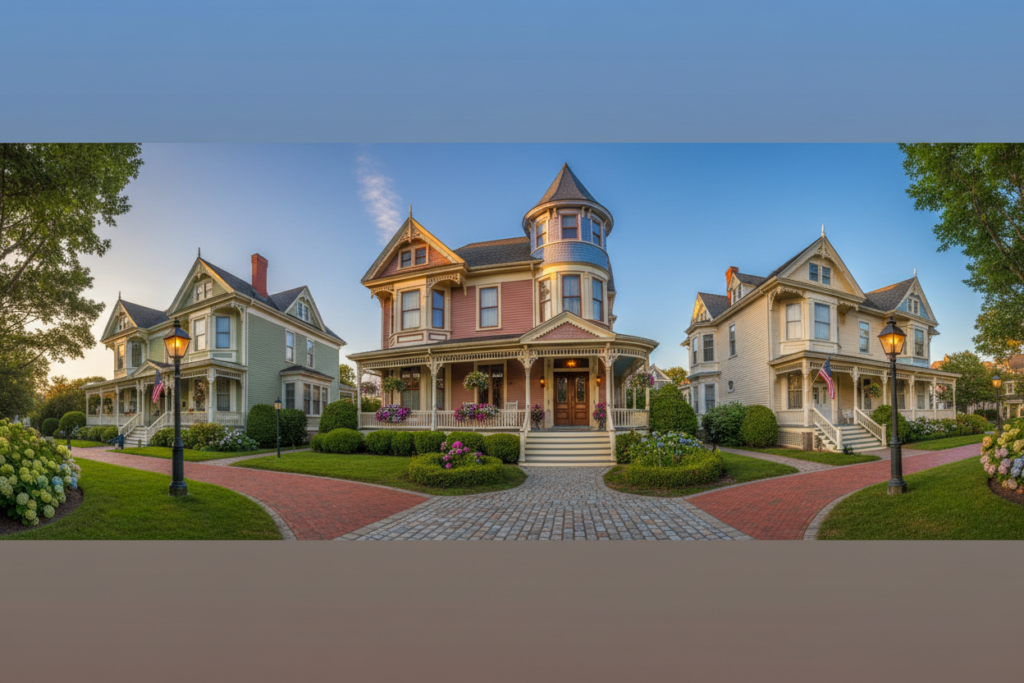
Stepping into Cape May’s Historic District feels like traveling through time. The cobblestone streets whisper stories of a bygone era, while magnificent Victorian mansions stand as testament to America’s Gilded Age grandeur. This charming seaside town in New Jersey boasts the largest collection of late 19th-century frame buildings in the United States, making it a living museum of Victorian architecture that attracts thousands of visitors annually.
Whether you’re an architecture enthusiast, history buff, or simply someone who appreciates beauty in its most ornate form, Cape May’s Historic District offers an unparalleled walking tour experience. Every corner reveals another architectural gem, each telling its own unique story of craftsmanship, innovation, and the dreams of those who built this remarkable seaside community.
The Rich History Behind Cape May’s Victorian Legacy
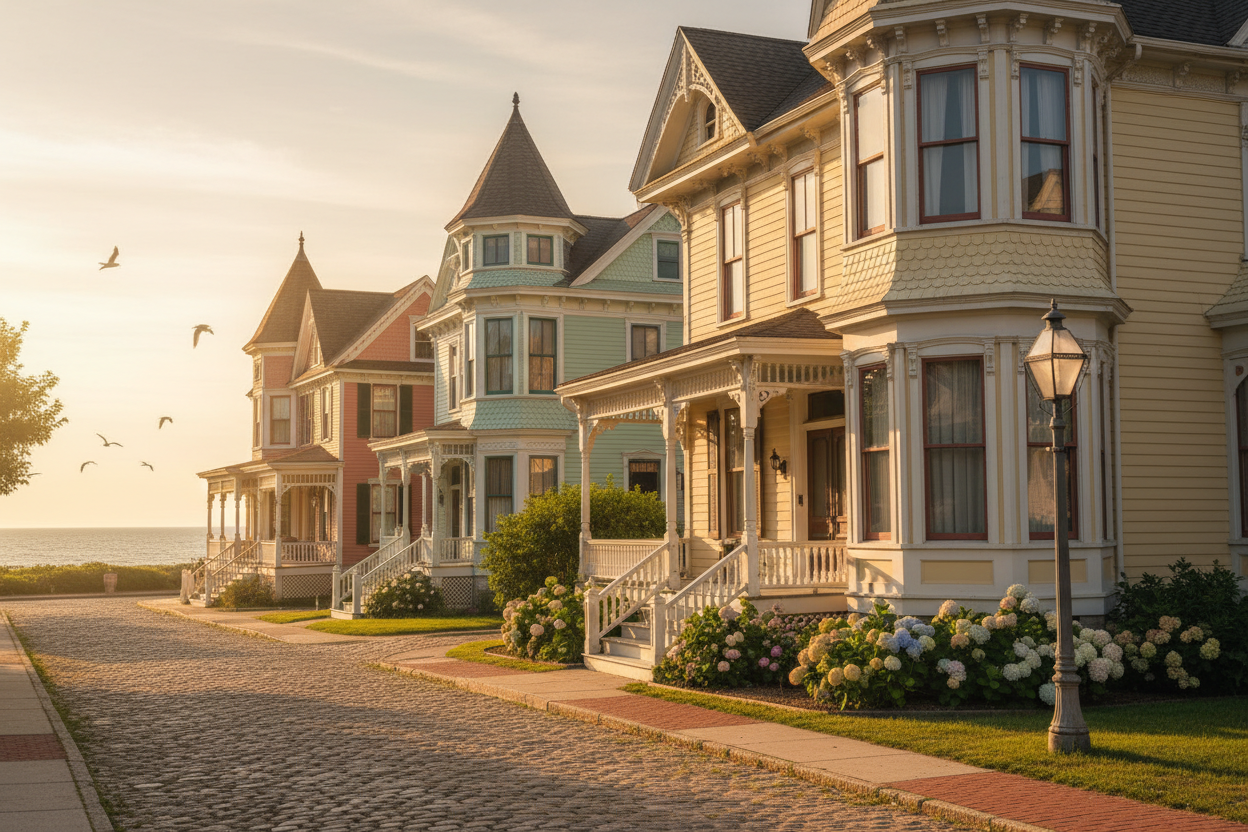
Cape May’s transformation into a Victorian architectural wonderland began in the mid-1800s when the town established itself as America’s first seaside resort. Wealthy Philadelphia and New York families flocked to this coastal haven, seeking respite from city life and the therapeutic benefits of ocean air. The Great Fire of 1878, while devastating at the time, inadvertently paved the way for the architectural renaissance we see today.
Following the fire, the town rebuilt itself in the fashionable Victorian style of the era. Architects and builders embraced the ornate designs that characterized the period, creating structures that were not just homes but statements of prosperity and artistic vision. The result is a cohesive collection of Victorian architecture that remains remarkably well-preserved more than a century later.
The designation of Cape May as a National Historic Landmark in 1976 ensured that these architectural treasures would be protected for future generations. Today, over 600 Victorian structures contribute to the district’s historic character, making it one of the most significant concentrations of Victorian architecture in America.
Essential Victorian Architectural Styles You’ll Encounter
Cape May’s Historic District showcases several distinct Victorian architectural styles, each with its own characteristics and charm. Understanding these styles enhances your walking tour experience and helps you appreciate the subtle differences between buildings.
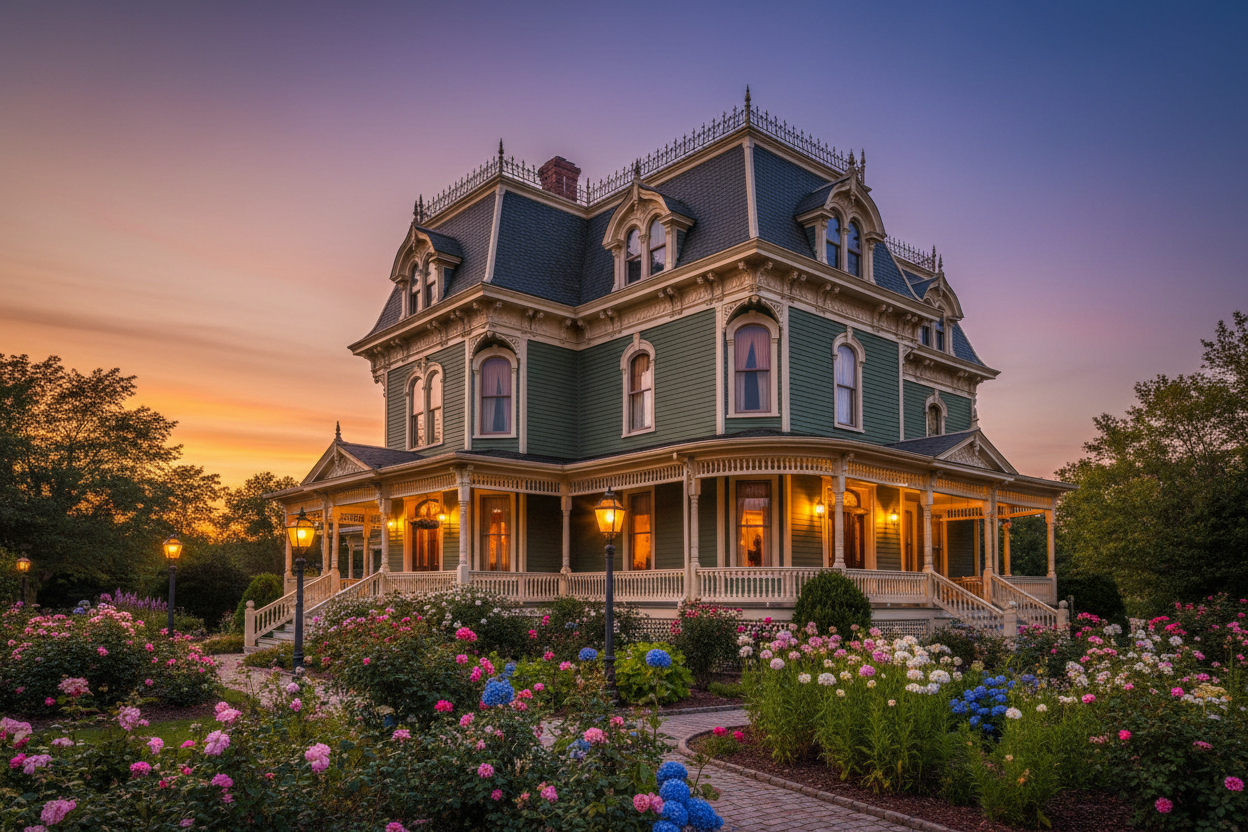
The Second Empire style, popular in the 1860s and 1870s, features the distinctive mansard roof with dormer windows. The Chalfonte Hotel exemplifies this style with its imposing presence and characteristic roofline. These buildings often display a sense of grandeur and formality that reflects the confidence of the post-Civil War era.
Gothic Revival architecture brings a romantic, castle-like quality to Cape May’s streetscape. You’ll recognize these structures by their pointed arch windows, decorative bargeboards, and steep rooflines. The Pink House on Perry Street serves as an excellent example of this style, with its fairy-tale appearance capturing the imagination of countless visitors.
The Stick Style represents a uniquely American interpretation of Victorian design. These buildings feature exposed wooden framework as decorative elements, creating patterns that emphasize the structure’s construction. The detailed woodwork and asymmetrical designs make these homes particularly photogenic subjects for architecture enthusiasts.
Queen Anne style buildings, perhaps the most elaborate of Cape May’s Victorian offerings, showcase the period’s love for ornate decoration. Bay windows, wraparound porches, turrets, and intricate gingerbread trim characterize these stunning structures. The Emlen Physick Estate stands as Cape May’s premier example of Queen Anne architecture, demonstrating the style’s potential for grandeur and complexity.
Must-See Victorian Landmarks on Your Walking Tour
The Emlen Physick Estate serves as the crown jewel of Cape May’s Victorian architecture collection. This 18-room mansion, designed by renowned architect Frank Furness, represents the pinnacle of Queen Anne style design. The building’s asymmetrical facade, distinctive chimneys, and elaborate interior woodwork make it an essential stop on any architectural tour. The estate now houses the Mid-Atlantic Center for the Arts & Humanities and offers guided interior tours that reveal the sophisticated lifestyle of Victorian-era Cape May.
Congress Hall, while primarily known as a historic hotel, showcases the grand scale of Victorian resort architecture. The building’s yellow facade and wraparound porches create an instantly recognizable landmark that has welcomed guests since 1816, though its current Victorian appearance dates to later renovations. The hotel’s architecture reflects the optimism and prosperity of America’s Gilded Age resort culture.
The Mainstay Inn demonstrates how Victorian architects adapted residential designs for commercial purposes. Originally built as an exclusive gambling club, the building’s Italianate style features elaborate brackets, tall windows, and decorative cornices. The structure’s transformation from private club to elegant inn illustrates the adaptive reuse that has helped preserve Cape May’s architectural heritage.
Angel of the Sea, formerly known as the William S. Weightman mansion, represents one of Cape May’s most photographed Victorian homes. The building’s Second Empire style, complete with mansard roof and ornate dormer windows, creates a dramatic silhouette against the sky. The mansion’s conversion to a bed and breakfast allows visitors to experience Victorian luxury firsthand while contributing to the building’s ongoing preservation.
Architectural Details That Define Cape May’s Character
The devil, as they say, is in the details, and Cape May’s Victorian architecture excels in its intricate craftsmanship. Gingerbread trim, those delicate wooden decorations that adorn porches and rooflines, represents one of the most distinctive features of Cape May’s architectural character. These hand-carved elements required skilled craftsmen who took pride in their work, creating unique patterns that give each building its individual personality.
Bay windows serve both aesthetic and practical purposes in Cape May’s Victorian homes. These projecting window structures not only add visual interest to building facades but also maximize natural light and provide panoramic views of the surrounding landscape. The variety of bay window designs throughout the district demonstrates the creativity and skill of Victorian-era architects and builders.
Wraparound porches define the social character of Victorian Cape May. These expansive outdoor spaces encouraged interaction between residents and passersby while providing comfortable areas for relaxation during warm summer evenings. The elaborate brackets, spindle work, and decorative posts that support these porches showcase the period’s commitment to ornamental detail.
Color schemes play a crucial role in highlighting architectural features. Many of Cape May’s Victorian buildings employ multiple colors to emphasize trim work, brackets, and other decorative elements. This polychromatic approach, authentic to the Victorian period, transforms buildings into works of art that celebrate both color and form.
Planning Your Perfect Victorian Architecture Walking Tour
The ideal time to explore Cape May’s Historic District depends on your preferences and priorities. Spring and fall offer comfortable walking weather with fewer crowds, allowing for leisurely exploration and better photography opportunities. Summer brings vibrant energy to the district but also larger crowds and higher temperatures. Winter tours provide a unique perspective, with architectural details standing out starkly against snow-covered landscapes.
Start your walking tour at the Cape May Welcome Center, where you can obtain maps, brochures, and current information about special events or temporary closures. The center’s knowledgeable staff can provide recommendations based on your specific interests and available time. Many visitors find that a combination of self-guided exploration and organized tours provides the most comprehensive experience.
Comfortable walking shoes are essential for navigating Cape May’s brick sidewalks and cobblestone streets. Bring a camera to capture architectural details, but remember to be respectful of private property and current residents. Many of Cape May’s Victorian buildings remain private homes, so admire them from public areas while respecting owners’ privacy.
Consider timing your visit to coincide with special events like Cape May’s Victorian Weekend or the Annual House Tour. These events provide access to building interiors that are typically closed to the public and offer opportunities to meet preservation experts and local historians who can share insider knowledge about the district’s architectural treasures.
Preservation Efforts and Future Challenges
Maintaining Cape May’s Victorian architecture requires ongoing dedication and significant financial resources. The Mid-Atlantic Center for the Arts & Humanities leads preservation efforts throughout the district, working with property owners, government agencies, and preservation specialists to ensure these architectural treasures survive for future generations.
Climate change poses new challenges for coastal historic districts like Cape May. Rising sea levels, increased storm intensity, and changing weather patterns threaten buildings that have survived for over a century. Preservation experts must balance historical accuracy with necessary adaptations to protect these structures from environmental threats.
Economic pressures also impact preservation efforts. The cost of maintaining Victorian buildings according to historical standards can be substantial, requiring specialized materials and skilled craftspeople. However, the economic benefits of heritage tourism help justify these investments, as Cape May’s architectural heritage attracts visitors who contribute significantly to the local economy.
Community involvement plays a crucial role in preservation success. Local residents, business owners, and civic organizations work together to maintain the district’s character while adapting to modern needs. This collaborative approach ensures that preservation efforts reflect community values and priorities while maintaining professional standards.
Conclusion: A Living Museum of American Architecture
Cape May’s Historic District offers more than just a walking tour; it provides an immersive experience in America’s architectural heritage. Every Victorian mansion, cottage, and commercial building tells a story of craftsmanship, ambition, and community spirit that defined the Gilded Age. The district’s remarkable preservation allows modern visitors to walk through history while gaining appreciation for the artistry and skill of 19th-century builders and architects.
The experience of exploring Cape May’s Victorian architecture creates lasting memories and deeper understanding of American cultural history. Whether you spend a few hours or several days exploring the district, you’ll discover that each building has its own personality and story to tell. The combination of architectural beauty, historical significance, and seaside charm makes Cape May’s Historic District a truly unique destination that rewards multiple visits.
As you plan your Victorian architecture masterclass in Cape May, remember that you’re not just observing buildings but experiencing a living piece of American history. The ongoing preservation efforts ensure that future generations will have the same opportunity to marvel at these architectural treasures and learn from the craftsmen who created them over a century ago.
Frequently Asked Questions
How long does a typical walking tour of Cape May’s Historic District take?
A comprehensive self-guided walking tour typically takes 2-3 hours, depending on your pace and level of interest in architectural details. Organized tours usually last 60-90 minutes and focus on major landmarks and architectural highlights.
Are there guided tours available for Cape May’s Victorian architecture?
Yes, the Mid-Atlantic Center for the Arts & Humanities offers regular guided tours throughout the year. These tours are led by knowledgeable guides who can provide detailed information about architectural styles, building history, and preservation efforts.
Can I visit the interiors of Cape May’s Victorian buildings?
Several buildings offer interior tours, including the Emlen Physick Estate and select bed and breakfasts. Many private homes are not open to the public, but special events like the Annual House Tour provide occasional access to additional interiors.
What’s the best time of year to visit Cape May for architecture photography?
Fall and spring offer excellent photography conditions with good lighting and fewer crowds. Early morning and late afternoon provide the best natural lighting for capturing architectural details. Winter can offer dramatic shots with snow highlighting building features.
Is Cape May’s Historic District accessible for people with mobility challenges?
The district’s brick sidewalks and historic nature present some accessibility challenges. However, many major attractions are accessible, and the Cape May Welcome Center can provide information about accessible routes and buildings. Some tour operators offer trolley tours that reduce walking requirements.
How many Victorian buildings are there in Cape May’s Historic District?
The Historic District contains over 600 Victorian-era structures, making it one of the largest concentrations of preserved Victorian architecture in the United States. These buildings represent various Victorian styles and periods from the mid-to-late 19th century.