
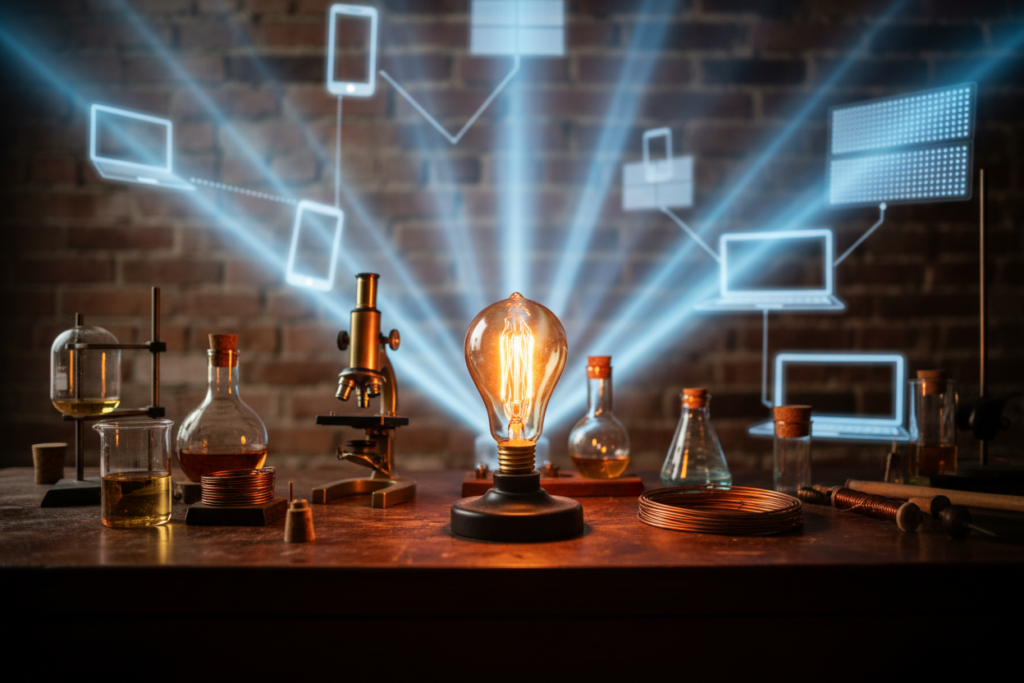
Nestled in West Orange, New Jersey, lies a treasure trove of American ingenuity that continues to inspire visitors from around the globe. The Thomas Edison National Historical Park stands as a testament to one of history’s most prolific inventors, preserving the legacy of a man whose innovations literally illuminated the world. This remarkable destination offers an intimate glimpse into the mind and workspace of Thomas Alva Edison, the “Wizard of Menlo Park,” whose revolutionary inventions transformed how we live, work, and communicate.
Walking through Edison’s laboratory complex feels like stepping back in time to witness the birth of the modern age. Here, surrounded by the same tools, equipment, and atmosphere that fostered countless breakthroughs, you’ll discover not just the story of Edison’s achievements, but the very essence of American innovation itself.
The Birthplace of Modern Innovation
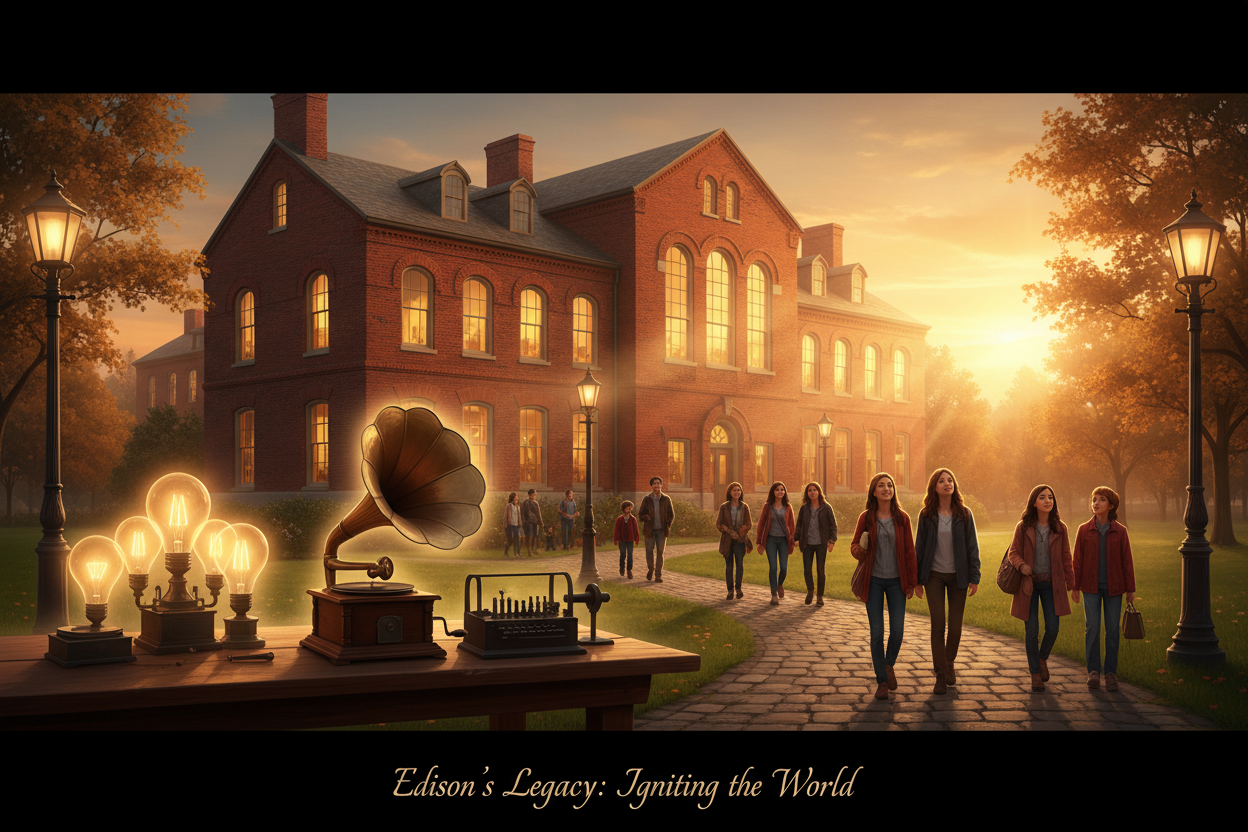
Thomas Edison’s West Orange laboratory complex, established in 1887, represented something entirely new in the world of invention. Unlike the scattered workshops of earlier inventors, Edison created what many consider the world’s first industrial research and development facility. This wasn’t just a place where one man tinkered with ideas – it was a comprehensive innovation ecosystem that employed dozens of skilled craftsmen, engineers, and researchers.
The main laboratory building, a massive three-story structure, housed everything from precision machine shops to chemical laboratories. Edison deliberately designed this space to facilitate collaboration and rapid prototyping. Teams could move seamlessly from conceptual design to working prototype, testing ideas in real-time and refining them based on immediate feedback.
What made Edison’s approach revolutionary wasn’t just the scale of his operation, but his systematic method of invention. He famously promised “a minor invention every ten days and a big thing every six months or so.” This wasn’t mere boasting – it was a business model that transformed invention from a haphazard process into a predictable, scalable enterprise.
Groundbreaking Inventions That Shaped Our World
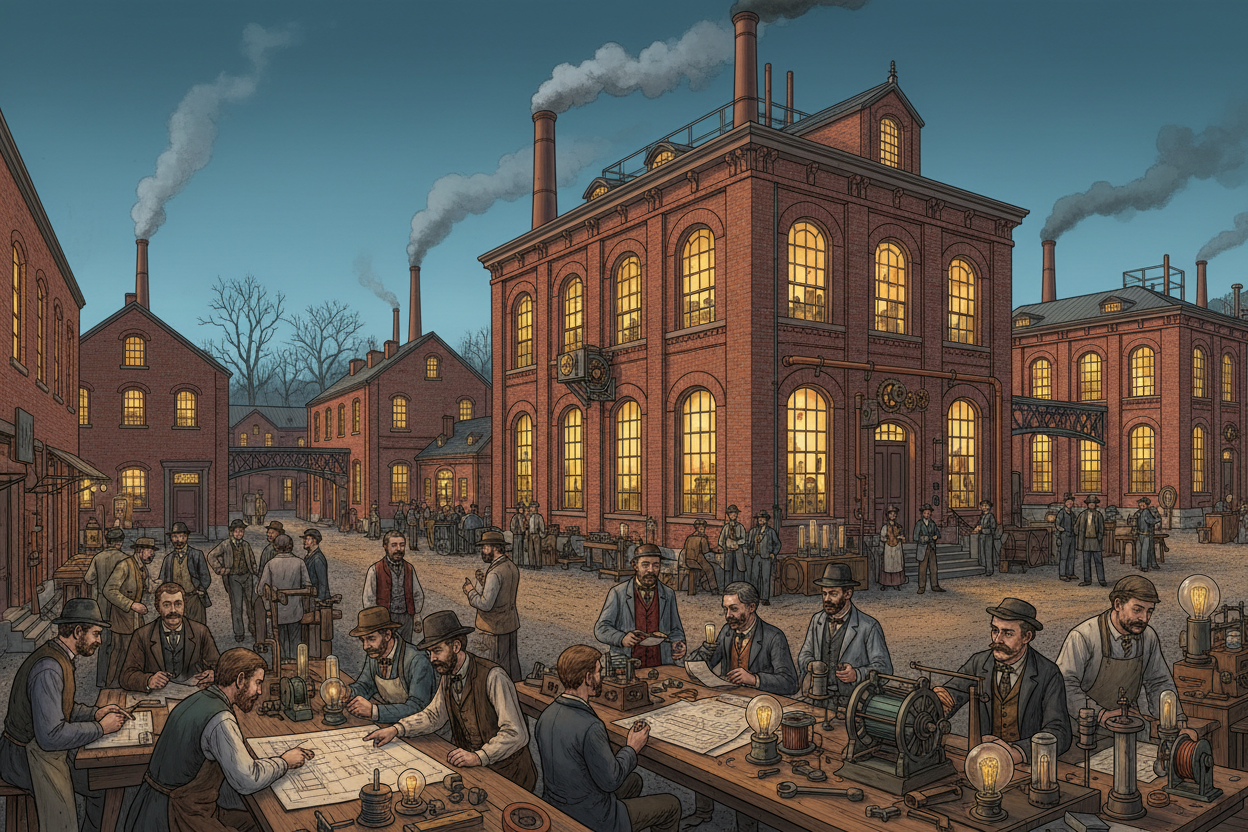
The West Orange laboratory served as the birthplace for some of Edison’s most significant contributions to human progress. During the facility’s most productive years, Edison and his team developed innovations that would fundamentally alter the course of history.
Perhaps most notably, this is where Edison perfected his incandescent light bulb system. While he didn’t invent the light bulb itself, Edison created the first practical, long-lasting incandescent bulb along with the entire electrical distribution system needed to bring electric lighting to homes and businesses. The laboratory’s extensive testing facilities allowed his team to experiment with thousands of different filament materials before settling on carbonized bamboo, which could burn for over 1,200 hours.
The phonograph, Edison’s personal favorite invention, also underwent significant development at West Orange. His team transformed the original tinfoil cylinder device into a practical recording and playback system using wax cylinders. This innovation didn’t just preserve sound – it created an entirely new industry and changed how humans experience music, education, and entertainment.
Motion pictures represent another world-changing innovation that emerged from these laboratories. Edison’s kinetoscope and kinetograph laid the foundation for the entire film industry. The famous “Black Maria,” the world’s first motion picture studio, was constructed on the laboratory grounds and produced hundreds of short films that captivated audiences and established cinema as a new art form.
Exploring Edison’s Laboratory Complex Today
Visiting the Thomas Edison National Historical Park today offers an unparalleled opportunity to experience history firsthand. The National Park Service has meticulously preserved Edison’s laboratory complex, maintaining the authentic atmosphere that fostered so much innovation.
The main laboratory building remains the centerpiece of any visit. As you walk through the machine shop, you’ll see the same lathes, drill presses, and precision instruments that Edison’s craftsmen used to transform ideas into reality. The chemistry lab, with its rows of glass bottles and experimental apparatus, showcases the scientific rigor behind Edison’s seemingly magical inventions.
The library, Edison’s personal sanctuary, contains thousands of volumes on every conceivable scientific and technical subject. This room reveals Edison’s voracious appetite for knowledge and his belief that innovation required both practical experimentation and theoretical understanding. Visitors often comment on the intimate feeling of this space, where Edison would retreat to think, plan, and dream up his next breakthrough.
One of the most fascinating aspects of the laboratory tour is seeing Edison’s systematic approach to documentation. His team maintained detailed records of every experiment, every failure, and every success. These notebooks, many of which are on display, provide incredible insight into the iterative process of invention and the persistence required to transform ideas into practical solutions.
Glenmont: Edison’s Home and Personal Sanctuary
No visit to the Thomas Edison National Historical Park would be complete without exploring Glenmont, Edison’s 29-room Queen Anne-style mansion. This magnificent home, where Edison lived with his second wife Mina and their children, offers a more personal perspective on the great inventor’s life.
Glenmont reveals Edison as more than just an inventor – he was a devoted family man, a lover of nature, and someone who appreciated the finer things in life. The home’s original furnishings, family photographs, and personal belongings create an intimate portrait of domestic life in the Gilded Age.
The mansion’s grounds are equally impressive, featuring beautifully maintained gardens and the family cemetery where Edison and his wife Mina are buried. Walking through these peaceful gardens, it’s easy to imagine Edison finding inspiration in nature’s own ingenious designs.
What’s particularly striking about Glenmont is how it demonstrates Edison’s forward-thinking approach to domestic technology. The house featured electric lighting throughout, powered by Edison’s own electrical system. This wasn’t just convenient – it was a living demonstration of his innovations and a testament to his confidence in his own inventions.
Educational Programs and Interactive Experiences
The Thomas Edison National Historical Park goes beyond passive observation, offering numerous educational programs and interactive experiences that bring Edison’s story to life for visitors of all ages. These programs are designed to inspire the next generation of innovators while honoring Edison’s legacy of hands-on learning and experimentation.
The park’s Junior Inventor program encourages young visitors to think like Edison, challenging them to identify problems and develop creative solutions. Children can participate in simplified versions of Edison’s experiments, learning about electricity, sound recording, and motion pictures through direct experience.
For older students and adults, the park offers in-depth workshops on various aspects of Edison’s work. These sessions, led by knowledgeable park rangers and guest experts, delve into the scientific principles behind Edison’s inventions and their lasting impact on modern technology.
The park also hosts special events throughout the year, including inventor demonstrations, historical reenactments, and lectures by contemporary innovators who draw inspiration from Edison’s example. These events create connections between Edison’s era and our own, showing how the principles of innovation remain constant even as technology evolves.
Planning Your Visit to Thomas Edison National Historical Park
Located just 30 minutes from New York City, the Thomas Edison National Historical Park is easily accessible for day trips or longer explorations. The park consists of two main sites: the laboratory complex in West Orange and Glenmont mansion, both of which require separate tickets and offer guided tours.
Most visitors find that a full day allows sufficient time to explore both sites thoroughly, though Edison enthusiasts often return multiple times to fully appreciate the depth of the collection and the richness of the story. The laboratory complex typically takes 2-3 hours to explore, while Glenmont tours last about an hour.
The park operates year-round, though hours vary by season. Spring and fall offer particularly pleasant visiting conditions, with comfortable temperatures and beautiful grounds. Summer can be busy with school groups and families, while winter visits offer a more intimate experience with smaller crowds.
Photography is permitted in most areas, allowing visitors to capture memories of their journey through innovation history. However, flash photography is restricted in certain areas to preserve delicate artifacts and documents.
The Lasting Legacy of Edison’s Innovation
As you conclude your visit to the Thomas Edison National Historical Park, you’ll likely find yourself reflecting on the profound impact one individual can have on the world. Edison’s innovations didn’t just improve daily life – they fundamentally changed how humans interact with technology and with each other.
The electric lighting system developed at West Orange made it possible for people to extend their productive hours beyond daylight, transforming work patterns and social life. The phonograph preserved human voices and performances for posterity, creating new forms of entertainment and education. Motion pictures gave birth to an entirely new art form that continues to shape global culture.
Perhaps most importantly, Edison’s systematic approach to innovation established a model that continues to influence how we develop new technologies today. Modern research and development facilities, from Silicon Valley startups to major corporate labs, still follow principles that Edison pioneered at West Orange more than a century ago.
The Thomas Edison National Historical Park serves as more than just a museum – it’s a source of inspiration for anyone interested in innovation, creativity, and the power of human ingenuity. In our rapidly changing technological landscape, Edison’s example reminds us that breakthrough innovations come not from isolated genius, but from persistent effort, collaborative teamwork, and the courage to fail and try again.
Frequently Asked Questions
How long should I plan for a visit to Thomas Edison National Historical Park?
Most visitors spend 4-5 hours exploring both the laboratory complex and Glenmont mansion. The laboratory tour takes approximately 2-3 hours, while the Glenmont mansion tour lasts about 1 hour. Allow additional time for the visitor center and grounds exploration.
Do I need separate tickets for the laboratory and Glenmont mansion?
Yes, separate timed tickets are required for both sites. You can purchase tickets online in advance or at the visitor center, though advance booking is recommended, especially during peak seasons and weekends.
Are the tours suitable for young children?
The laboratory tours are generally appropriate for children ages 6 and up, while Glenmont mansion tours are recommended for ages 8 and up due to the length and detailed historical content. The park offers special Junior Inventor programs designed specifically for younger visitors.
Is photography allowed during the tours?
Photography is permitted in most areas of both sites, but flash photography is not allowed to protect sensitive artifacts. Some specific areas may have photography restrictions, which your tour guide will indicate.
What’s the best time of year to visit?
The park is open year-round, with spring and fall offering the most comfortable weather and beautiful grounds. Summer tends to be busiest with families and school groups, while winter visits offer a more intimate experience with fewer crowds.
How far is the park from New York City?
The Thomas Edison National Historical Park is located in West Orange, New Jersey, approximately 30 minutes from Manhattan by car or accessible via NJ Transit train and bus connections.