
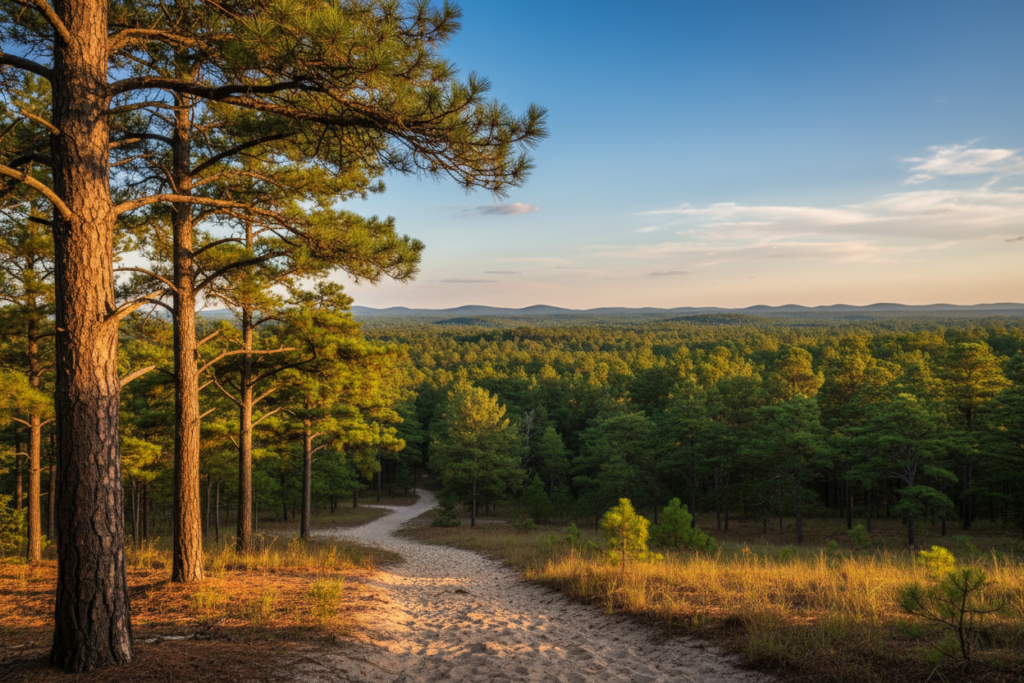
When most people think of New Jersey, they picture crowded highways, bustling cities, and industrial landscapes. But hidden in plain sight lies one of the East Coast’s most remarkable wilderness areas: the Pine Barrens. Spanning over one million acres across southern New Jersey, this vast ecosystem offers an unexpected escape into pristine nature, complete with rare plants, unique wildlife, and crystal-clear streams that seem worlds away from the Garden State’s urban reputation.
The Pine Barrens, officially known as the Pinelands National Reserve, represents the largest area of open space on the Mid-Atlantic seaboard between Richmond and Boston. This UNESCO Biosphere Reserve protects an intricate web of forests, wetlands, and waterways that have remained largely unchanged for centuries. Whether you’re a seasoned outdoor enthusiast or simply seeking a peaceful retreat from city life, the Pine Barrens offers endless opportunities for exploration and discovery.
Understanding the Pine Barrens Ecosystem
The Pine Barrens earned its name from early European settlers who considered the sandy, acidic soil unsuitable for traditional farming. What they didn’t realize was that this seemingly “barren” landscape supports one of North America’s most diverse and specialized ecosystems. The region’s unique geology, created by ancient ocean deposits and glacial activity, has fostered the development of plant and animal communities found nowhere else in the world.
The ecosystem thrives on a delicate balance of fire, water, and sandy soil. Periodic wildfires, both natural and controlled, play a crucial role in maintaining the health of pine and oak forests. These fires clear undergrowth, release nutrients, and create the open conditions that many native species require to flourish. The result is a landscape dominated by pitch pine, shortleaf pine, and various oak species, interspersed with cedar swamps, cranberry bogs, and rare orchid habitats.
Beneath this forest canopy lies the Kirkwood-Cohansey aquifer, one of the purest groundwater systems in the United States. This underground reservoir feeds countless streams, ponds, and wetlands throughout the region, creating the tea-colored waters that are characteristic of Pine Barrens waterways. The water’s distinctive amber hue comes from tannins leached from cedar and other vegetation, creating an environment that supports unique aquatic life.
Wildlife Watching Opportunities
The Pine Barrens serves as a sanctuary for numerous rare and endangered species, making it a premier destination for wildlife enthusiasts. The region’s most famous resident is the Pine Barrens tree frog, a tiny amphibian with a distinctive emerald green coloration and an unexpectedly loud call. These frogs can only be found in a few locations along the East Coast, with the Pine Barrens representing their largest population center.
Birdwatchers will find themselves in paradise, with over 300 species recorded in the region. The Pine Barrens supports significant populations of neotropical migrants, including various warbler species that use the area as a crucial stopover during migration. Year-round residents include barred owls, pileated woodpeckers, and the increasingly rare northern bobwhite quail. The open meadows and forest edges provide ideal habitat for eastern bluebirds, while the wetlands attract great blue herons, wood ducks, and various raptor species.
Mammals ranging from white-tailed deer and black bears to river otters and bobcats call the Pine Barrens home. While black bear sightings have become more common in recent years as populations recover, these encounters remain rare and typically occur in the more remote areas of the preserve. The region also supports healthy populations of red and gray foxes, raccoons, and numerous small mammal species that form the foundation of the forest food web.
Best Hiking Trails and Access Points
Exploring the Pine Barrens on foot offers the most intimate way to experience this unique wilderness. The Batona Trail, stretching 50 miles from Lebanon State Forest to Bass River State Forest, represents the region’s premier long-distance hiking opportunity. This well-marked trail passes through diverse habitats, from dense pine forests to open meadows and cedar swamps, offering hikers a comprehensive Pine Barrens experience.
For those seeking shorter adventures, Brendan T. Byrne State Forest provides excellent day hiking opportunities. The park’s trail system includes both easy nature walks and more challenging routes that lead to scenic overlooks and hidden ponds. The Cranberry Trail offers a particularly rewarding experience, winding through active and abandoned cranberry bogs while providing insights into the region’s agricultural history.
Wharton State Forest, the largest single tract within the Pine Barrens, offers numerous access points for exploration. The Mullica River Trail provides easy walking along one of the region’s most pristine waterways, while the more adventurous can explore the network of sand roads that crisscross the forest. These roads, originally created for logging and cranberry farming, now serve as excellent hiking and mountain biking routes that lead to remote areas rarely seen by casual visitors.
Water Activities and Canoeing Adventures
The Pine Barrens’ extensive network of rivers and streams provides exceptional opportunities for paddling enthusiasts. The Mullica River system, including the Batsto River and Wading River tributaries, offers some of the most pristine canoeing experiences on the East Coast. These tea-colored waters wind through undisturbed forests, past abandoned settlements, and through landscapes that have remained virtually unchanged for centuries.
Canoe and kayak rentals are available at several locations throughout the region, with outfitters offering everything from half-day trips to multi-day camping expeditions. The Oswego River provides an excellent introduction to Pine Barrens paddling, with gentle currents and numerous access points. More experienced paddlers might tackle the challenging Wading River, which features occasional rapids and requires good navigation skills due to numerous fallen trees and tight passages.
Swimming opportunities abound in the region’s numerous lakes and ponds. Atsion Lake, created by a dam on the Mullica River, offers a sandy beach and clear water perfect for a refreshing dip after a day of hiking. The lake’s shallow areas warm quickly in summer, making it ideal for families with children. For those seeking a more secluded swimming experience, countless smaller ponds and swimming holes can be discovered throughout the forest, though visitors should always exercise caution and swim at their own risk.
Historical Sites and Cultural Heritage
The Pine Barrens holds a rich cultural history spanning thousands of years, from Native American settlements to colonial industries and modern conservation efforts. Archaeological evidence suggests that indigenous peoples, including the Lenape, utilized the region’s resources for centuries before European arrival. They established seasonal camps along rivers and streams, harvesting fish, shellfish, and various plant materials while managing the landscape through controlled burning practices.
The colonial and early American periods brought intensive industrial development to the region. The combination of abundant wood for fuel, pure water for processing, and bog iron ore deposits made the Pine Barrens a center for iron production. Historic sites like Batsto Village preserve this industrial heritage, offering visitors the chance to explore restored furnaces, worker housing, and other remnants of the iron-making era. The village also showcases the later glass-making industry that utilized the region’s high-quality sand deposits.
Perhaps no aspect of Pine Barrens culture is more fascinating than the Pineys, the descendants of early settlers who developed a unique way of life adapted to the challenging environment. These resourceful people made their living through a combination of activities including charcoal production, cranberry cultivation, hunting, fishing, and gathering wild plants. Their deep knowledge of the forest and its resources helped them thrive in an environment that defeated many other settlement attempts.
Planning Your Pine Barrens Adventure
Successful Pine Barrens exploration requires careful planning and preparation. The region’s vast size and maze of sand roads can easily disorient inexperienced visitors, making detailed maps and navigation tools essential. The New Jersey Pinelands Commission and various state parks offer excellent maps and trail guides that should be consulted before any expedition. GPS devices or smartphone apps with offline maps provide additional security for those venturing into remote areas.
Timing your visit can significantly impact your experience. Spring offers mild temperatures and wildflower blooms, though black flies and mosquitoes can be problematic in wetland areas. Summer provides the warmest weather for swimming and camping, but also brings the highest insect populations and fire restrictions that may limit access to certain areas. Fall showcases beautiful foliage colors and comfortable hiking temperatures, while winter offers a peaceful, snow-covered landscape with minimal crowds.
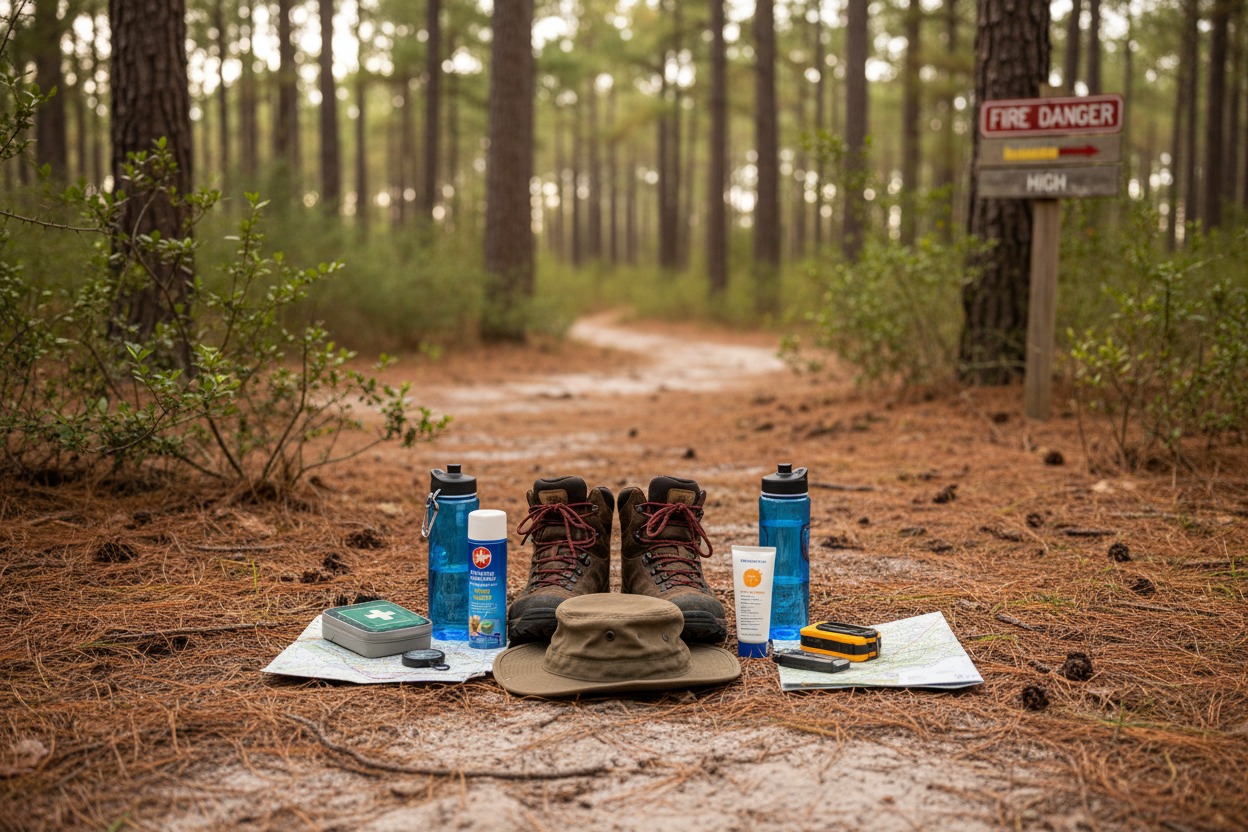
Proper equipment and supplies are crucial for safe Pine Barrens exploration. Sturdy hiking boots protect against the region’s sandy terrain and occasional thorny vegetation. Insect repellent is essential during warmer months, while sunscreen and hats provide protection in open areas. Carrying plenty of water is vital, as natural water sources, while abundant, should be purified before drinking. Fire restrictions may limit camping options during dry periods, so checking current regulations before planning overnight trips is important.
Conclusion
The Pine Barrens stands as one of New Jersey’s greatest natural treasures, offering visitors the chance to explore a million-acre wilderness that feels worlds away from the state’s urban centers. From rare wildlife and pristine waterways to rich cultural history and endless recreational opportunities, this remarkable ecosystem provides something for every outdoor enthusiast. Whether you’re paddling down tea-colored rivers, hiking through ancient forests, or simply enjoying the peace and quiet of one of the East Coast’s last great wildernesses, the Pine Barrens promises unforgettable experiences and a deeper appreciation for the natural world.
As you plan your Pine Barrens adventure, remember that this fragile ecosystem depends on responsible visitation and conservation efforts. By following Leave No Trace principles, respecting wildlife and plant life, and supporting local conservation organizations, visitors can help ensure that future generations will have the opportunity to discover and explore this incredible wilderness. The Pine Barrens awaits your exploration – are you ready to uncover the secrets of New Jersey’s hidden wilderness?
Frequently Asked Questions
What is the best time of year to visit the Pine Barrens?
The best time to visit depends on your preferred activities. Spring (April-May) offers mild weather and wildflowers but can be buggy. Summer (June-August) is ideal for swimming and camping but brings peak insect activity. Fall (September-November) provides comfortable temperatures and beautiful foliage with fewer bugs. Winter (December-March) offers peaceful solitude but limited daylight and potential weather challenges.
Do I need permits or fees to explore the Pine Barrens?
Most Pine Barrens areas are free to access for day use. However, some state parks within the region charge entrance fees, and camping requires reservations and fees. Hunting and fishing require appropriate New Jersey licenses. Always check specific park regulations before visiting, as rules vary between different management areas.
Is it safe to drink water from Pine Barrens streams and ponds?
While Pine Barrens water sources are generally very pure, all natural water should be treated or filtered before drinking to prevent waterborne illnesses. The tea-colored appearance is natural and comes from tannins, not pollution. Bring plenty of drinking water or carry proper purification equipment for longer trips.
What should I do if I encounter wildlife in the Pine Barrens?
Most Pine Barrens wildlife is harmless and will avoid human contact. If you encounter a black bear, do not run; instead, make yourself appear large, back away slowly, and make noise. For snakes, give them plenty of space and they will typically move away. Never feed or approach any wild animals, and store food properly when camping.
Can I camp overnight in the Pine Barrens?
Camping is allowed in designated areas within several state forests and parks in the Pine Barrens. Popular camping destinations include Wharton State Forest, Brendan T. Byrne State Forest, and Bass River State Forest. Reservations are typically required, especially during peak seasons. Backcountry camping may be permitted in some areas with proper permits.