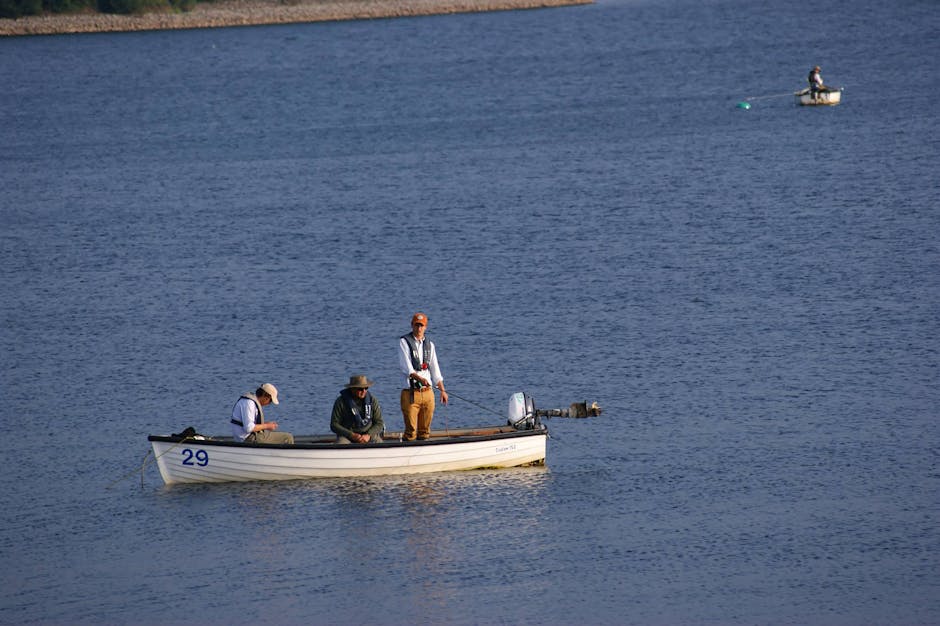
Washington
Washington Reading Guide: Places, Culture and Trip Ideas
Explore Washington through selected American Beautiful stories, with links to the full guides and practical steps for planning your next trip.

Explore Washington through its cities, local stories, history, food and landscapes. Start with a city guide or follow a story that catches your attention.
Choose a city pin to open its local guide.
City locations are approximate. Select a name to explore.
Local stories, food, culture and places to explore.
↗City guideLocal stories, food, culture and places to explore.
↗City guideLocal stories, food, culture and places to explore.
↗City guideLocal stories, food, culture and places to explore.
↗City guideLocal stories, food, culture and places to explore.
↗City guideLocal stories, food, culture and places to explore.
↗The markets, tables and traditions that tell a place’s story.
02Architecture, landmarks and the people behind them.
03Open spaces, scenic routes and time well spent outside.
04The teams, venues and local rituals that bring people together.
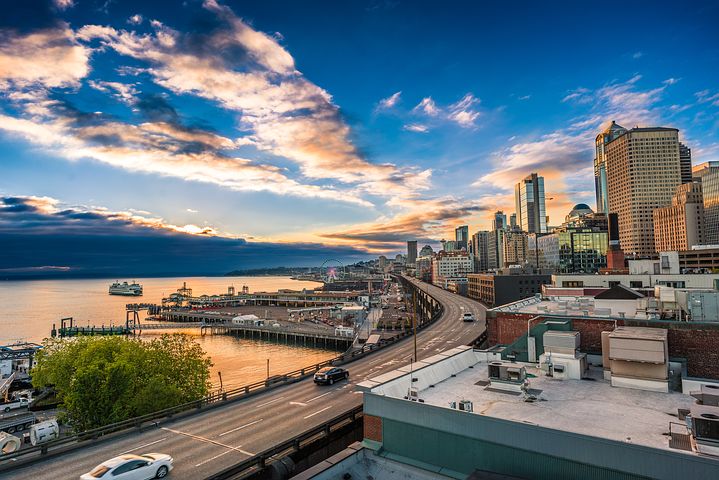
Located in the Pacific Northwest area of the Western United States, Washington State, often simply referred to as Washington, is renowned for its vibrant history, diverse landscapes, and dynamic economy. Bordered by Oregon to the south, Idaho to the east, and the Canadian province of British Columbia to the north, it’s also the only U.S. state named after a president, George Washington.
Washington’s historical narrative is as rich and varied as its landscapes. The area was initially inhabited by numerous indigenous tribes for thousands of years before European exploration began in the late 18th century. The state was named after George Washington, the first U.S. president, and was admitted to the Union as the 42nd state in 1889.
Washington’s history dates back thousands of years with the indigenous tribes that originally inhabited the area. Archaeological evidence, such as the 9,300-year-old remains of Kennewick Man, reveals a long history of human occupation. Tribes like the Chinook, Lummi, and Salish thrived in the region, developing diverse cultures and economies based on the area’s abundant natural resources.
European exploration of Washington began in the late 18th century with Spanish and British explorers. The first recorded European landing on the Washington coast was by Spanish Captain Don Bruno de Heceta in 1775. In the 19th century, American explorers and pioneers began to settle in the area, leading to significant territorial disputes between the United States and Great Britain.
Washington achieved statehood in 1889, becoming the 42nd state in the Union. The early 20th century saw rapid economic and population growth, largely driven by industries like lumber and mining. The construction of the Grand Coulee Dam in the 1940s marked a significant turning point in the state’s economic development, providing electricity, irrigation, and flood control.
Washington is known for its diverse geography, which includes deep forests, rugged mountain ranges, fertile farmlands, and a picturesque coastline. The state is split into two distinct geographical areas: Western Washington and Eastern Washington, separated by the Cascade Range.
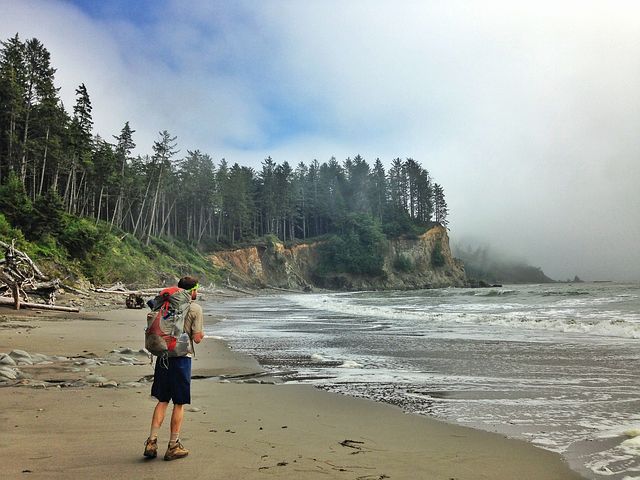
Western Washington, home to the state’s largest city, Seattle, is characterized by a mild, wet climate and diverse ecosystems. The Olympic Mountains dominate the western part of the state and are home to Olympic National Park. The area is also known for its dense forests and the Puget Sound, an intricate system of waterways teeming with marine life.
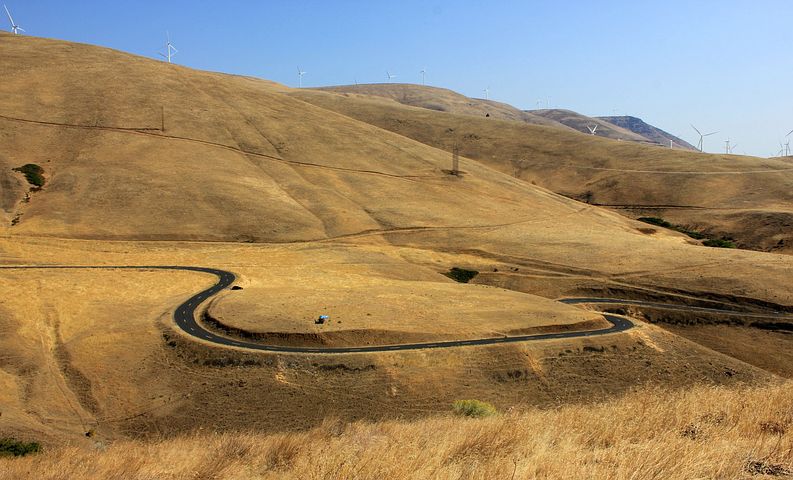
Contrasting with the western part of the state, Eastern Washington is known for its semi-arid climate and expansive farmlands. The Columbia River is a dominant feature in this region, providing essential irrigation for the area’s agricultural activities. Eastern Washington is also home to part of the Rocky Mountains and the fertile plains of the Palouse region.
As of 2020, Washington’s population was approximately 7.7 million people, making it the 13th most populous state in the U.S. The state’s population is diverse, with a mix of various racial and ethnic groups. The largest cities in the state are Seattle, Spokane, Tacoma, and Vancouver.
The racial and ethnic composition of Washington is diverse and includes White, African American, Asian, Pacific Islander, and Hispanic communities. The state also has a significant Indigenous population, with numerous tribes residing in Washington.
English is the primary language spoken in the state, but the state is multilingual due to its diverse population. Other languages spoken in Washington include Spanish, Chinese, Vietnamese, and Tagalog. Washington is also diverse in terms of religion, with a range of religious affiliations among its residents, including Christianity, Judaism, Islam, Buddhism, Hinduism, and others.
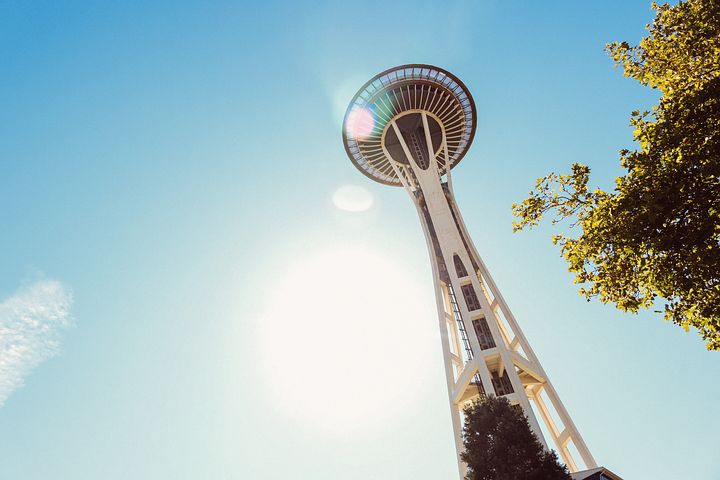
Boasting a robust economy, it ranks fifth in the nation in terms of gross state product. Key sectors contributing to the state’s economy include technology, aerospace, agriculture, and retail.
The state is home to some of the world’s largest corporations, including Microsoft and Amazon, making it a global hub for the technology industry. Aerospace is another major industry in the state, with Boeing being one of the largest employers. Agriculture also plays a crucial role in the state’s economy, with the state being a leading producer of apples, hops, and wine.
Despite having a strong economy, it is one of the few states in the U.S. without a personal income tax. Instead, the state relies on a combination of sales, property, and business taxes to generate revenue.
The state has a comprehensive transportation system comprising highways, airports, ferries, and public transit systems. The State Department of Transportation manages the state’s transportation infrastructure.
Washington’s road network is extensive, with state and local roads connecting all corners of the state. The state is also known for its many bridges, including several floating bridges on Lake Washington – the largest of their kind in the world.
Washington State Ferries operates the largest ferry system in the U.S., providing crucial transportation across the Puget Sound. The state is also served by multiple airports, with Seattle-Tacoma International Airport being the major commercial airport.
From its rich historical narrative and varied geographical landscape to its diverse population and robust economy, this state offers a unique blend of characteristics that make it an intriguing place to explore. Whether you’re drawn to the bustling tech hub of Seattle, the majestic peaks of the Olympic Mountains, the fertile farmlands of Eastern Washington, or the cultural diversity of its communities, Washington truly has something for everyone.
Explore Washington through selected American Beautiful stories, with links to the full guides and practical steps for planning your next trip.
Best Fishing Spots in America for Anglers Fishing is more than just a hobby for many Americans; it’s a passion that brings them closer…

Winter Wonderland: Best Places to Visit in America During Winter Winter transforms many places in the United States into magical wonderlands. Whether you love…
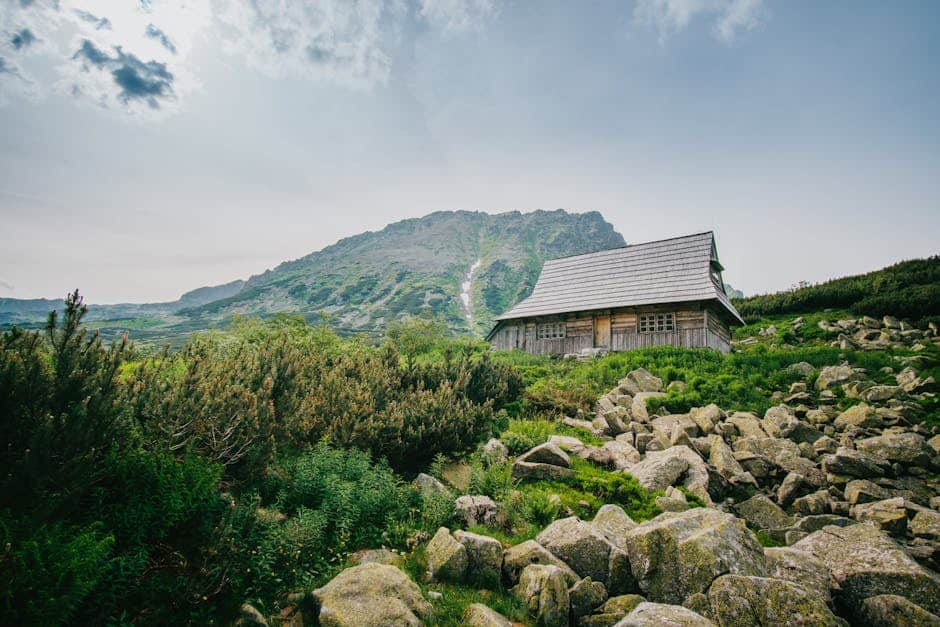
Top Spring Destinations in America to Visit Spring is a magical time of year when nature blooms in a riot of colors, temperatures rise…
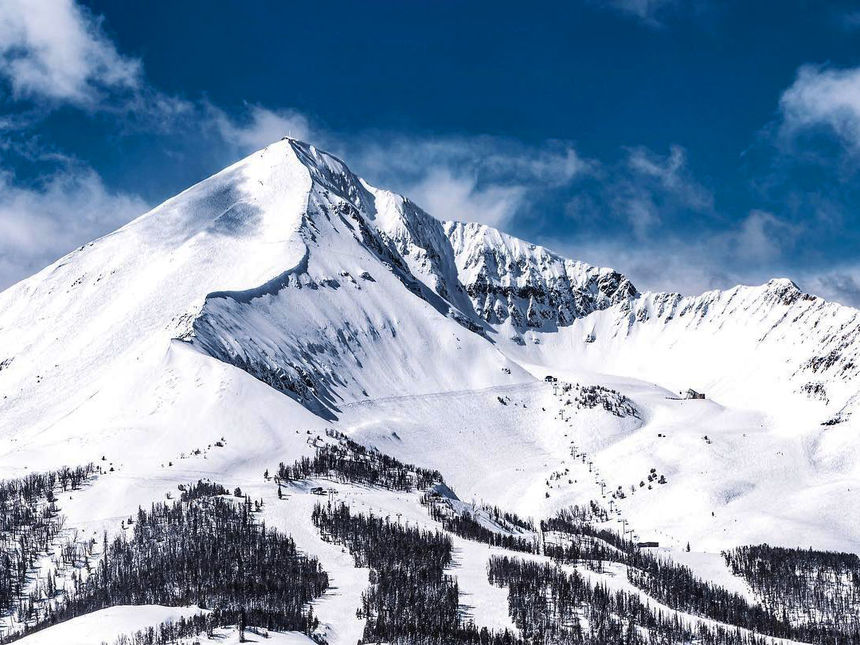
The Ultimate Guide to The Best Skiing in Washington State Washington State is a winter wonderland for ski and snowboard enthusiasts. With its diverse…

Best Hiking Trails in Washington Washington State is a paradise for outdoor enthusiasts, boasting a diverse range of landscapes that attract adventurers from near…